Enterprise search and RAG
Source-grounded answers from internal documents. Retrieval takes knowledge structure, content freshness and employee permissions into account.
Focus: retrieval quality, grounded answers and data access.
For businesses and technology teams
From a business challenge
to a working AI system.
I design solutions using LLMs, RAG and AI agents. I connect models to enterprise data, tools and processes — with clear quality criteria, safeguards and ownership of outcomes.
Architecture · prototyping · implementation support

AI solution architect,
mentor in applied AI
Expertise
I work on the entire solution architecture: where the data comes from, how to verify model outputs, what an agent is allowed to do and how the solution fits into business processes.
Source-grounded answers from internal documents. Retrieval takes knowledge structure, content freshness and employee permissions into account.
Focus: retrieval quality, grounded answers and data access.
Systems that do more than answer questions: they call tools. Choosing between a predictable workflow, a single agent and coordinated specialist agents.
Focus: task state, autonomy boundaries and approval of actions.
Extracting, comparing and validating information from contracts, policies, spreadsheets and long documents. Structured outputs ready for further processing.
Focus: data schemas, validation and traceability to the source.
Connecting models and agents to 1C, CRM platforms, knowledge bases and internal services through APIs and MCP. Permissions, contracts and error handling matter more than the number of integrations.
Focus: controlled access and reproducible operations.
Testing the system against agreed scenarios, from retrieval accuracy to agent actions. Separating trusted instructions from external data and protecting sensitive information.
Focus: evaluation datasets, audit trails and human oversight.
Observability, request costs, latency and failure handling. Models and infrastructure selected to meet requirements, not to add complexity.
Focus: limits, fallbacks and cost per useful outcome.
Potential architecture components. The stack, implementation scope and responsibilities are defined after reviewing the client's needs and infrastructure.
Experience and trust
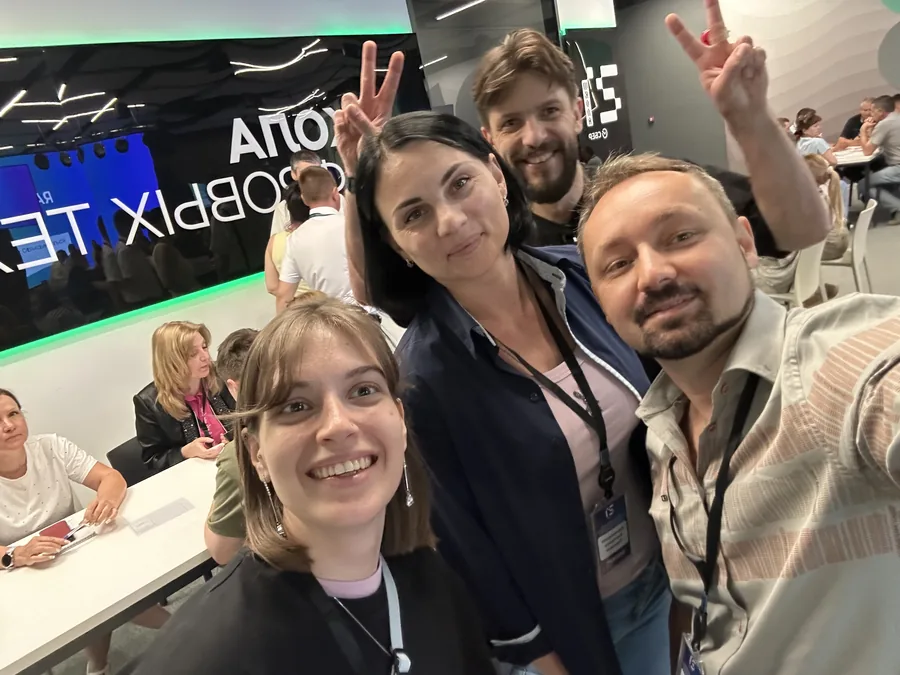
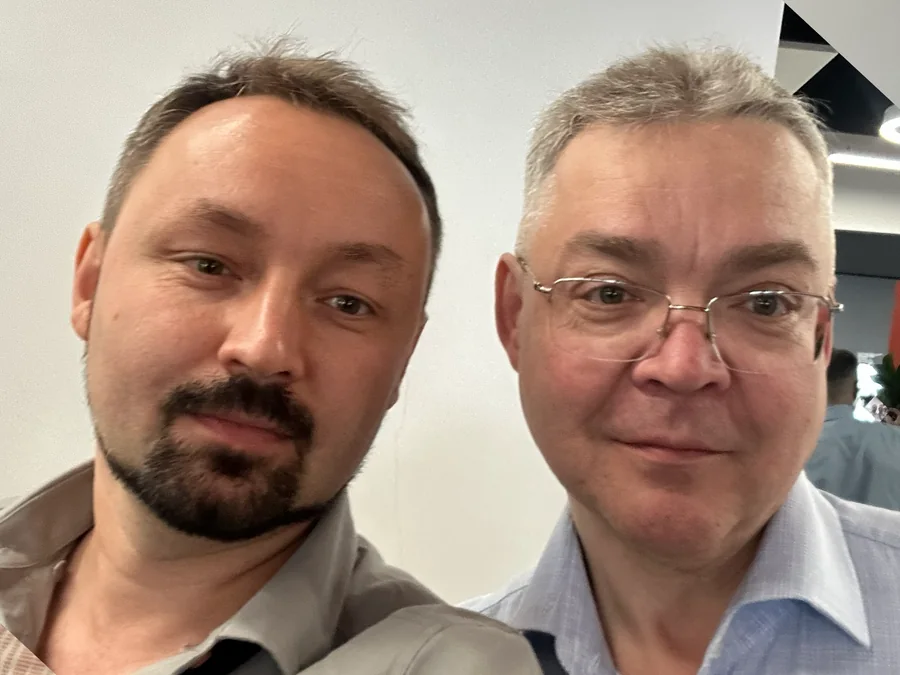
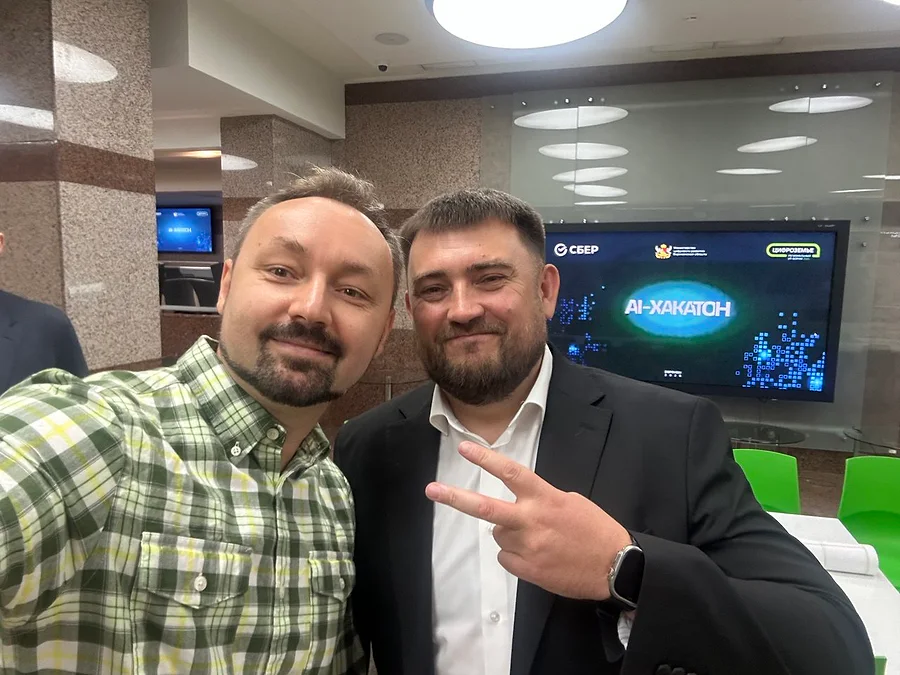
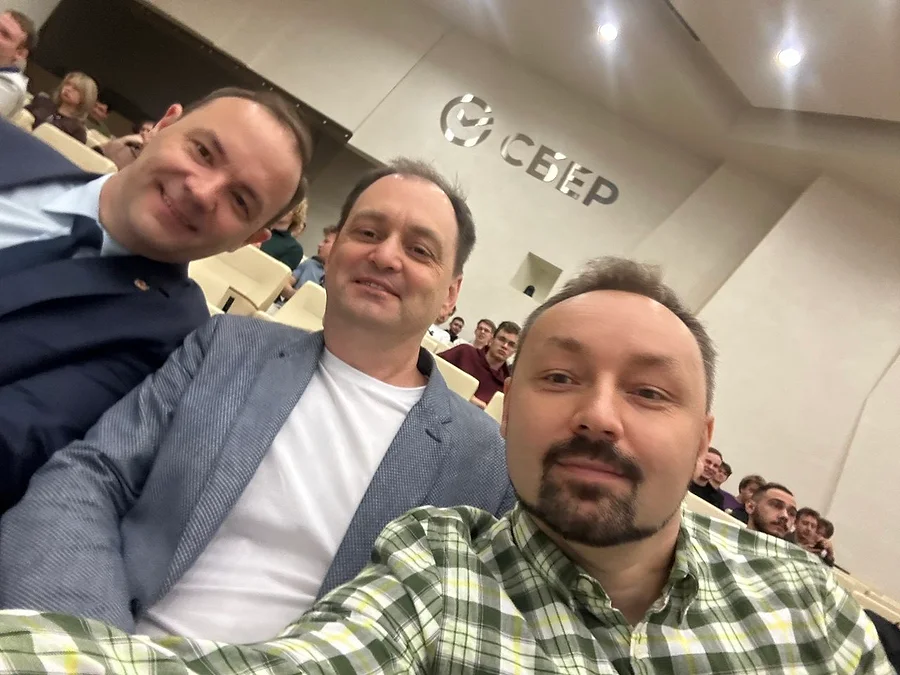
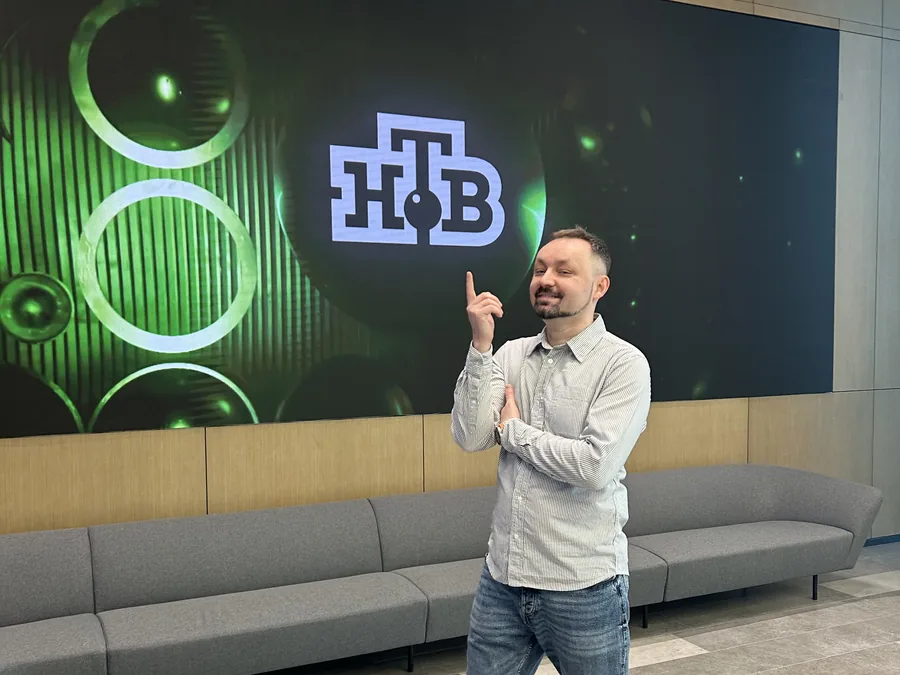
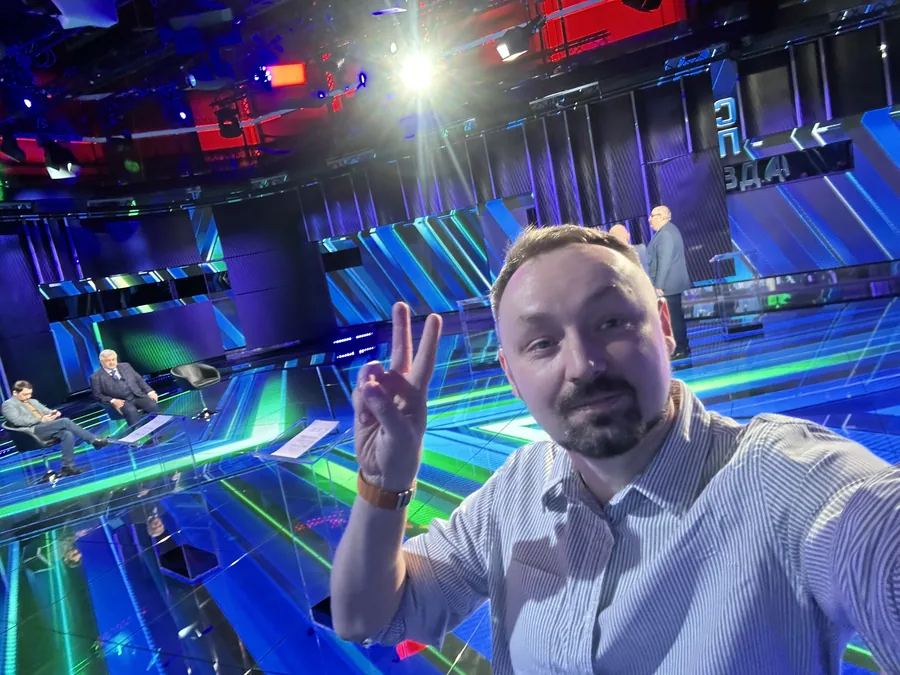
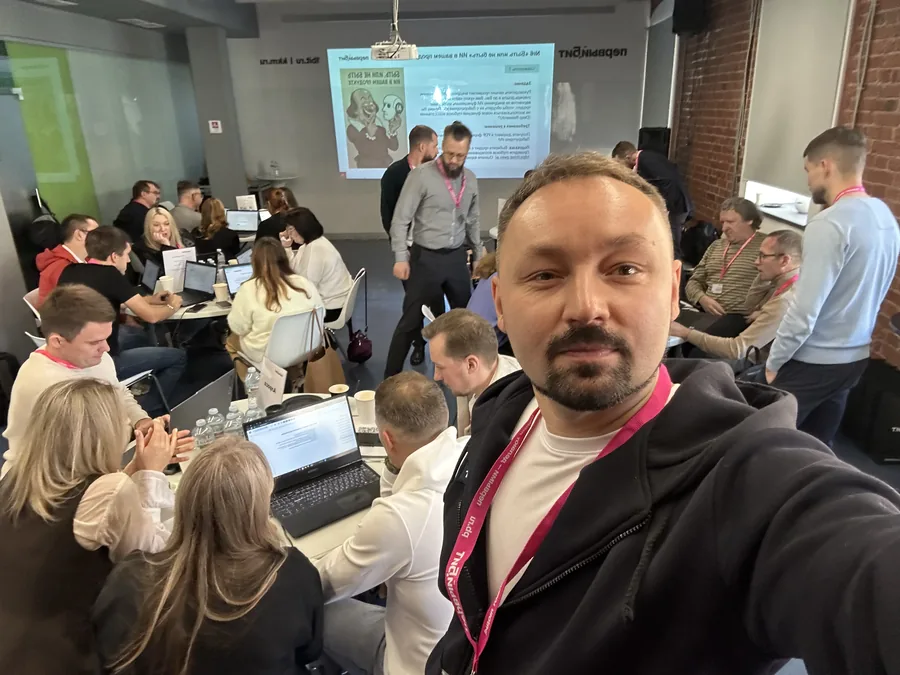
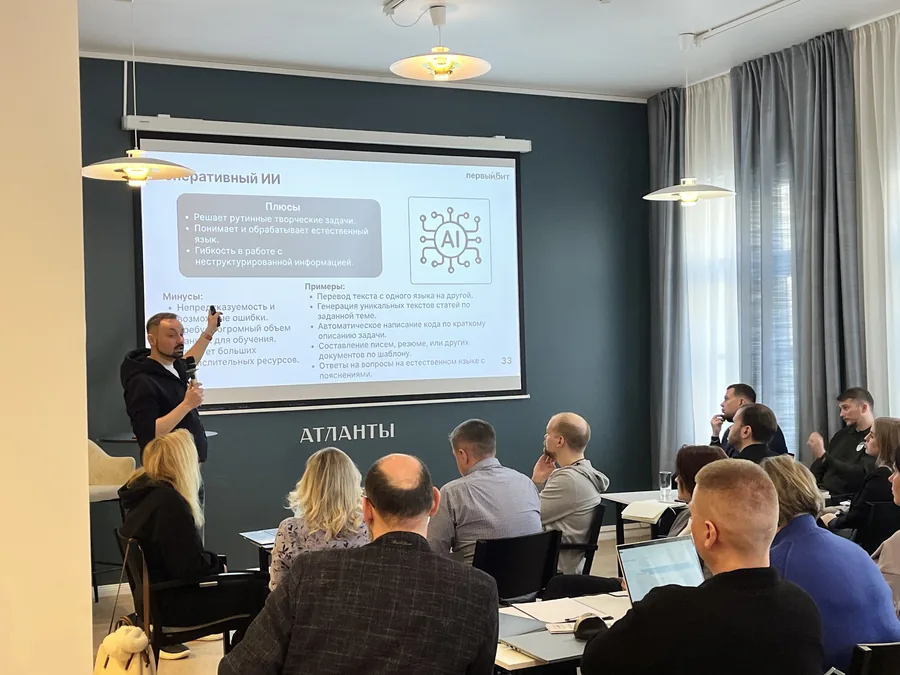
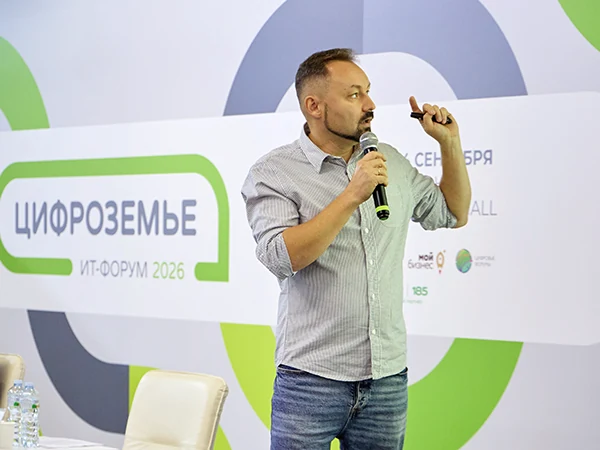
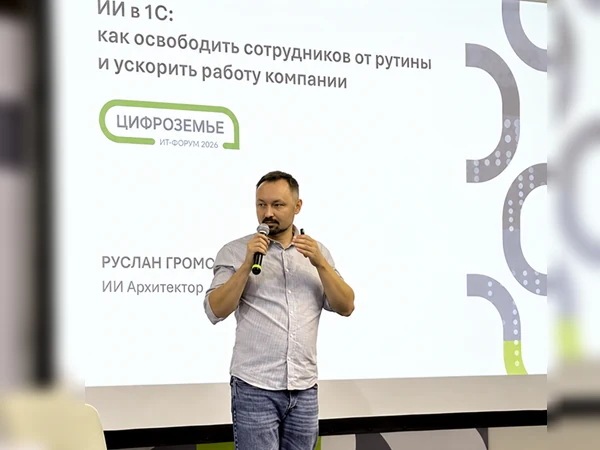
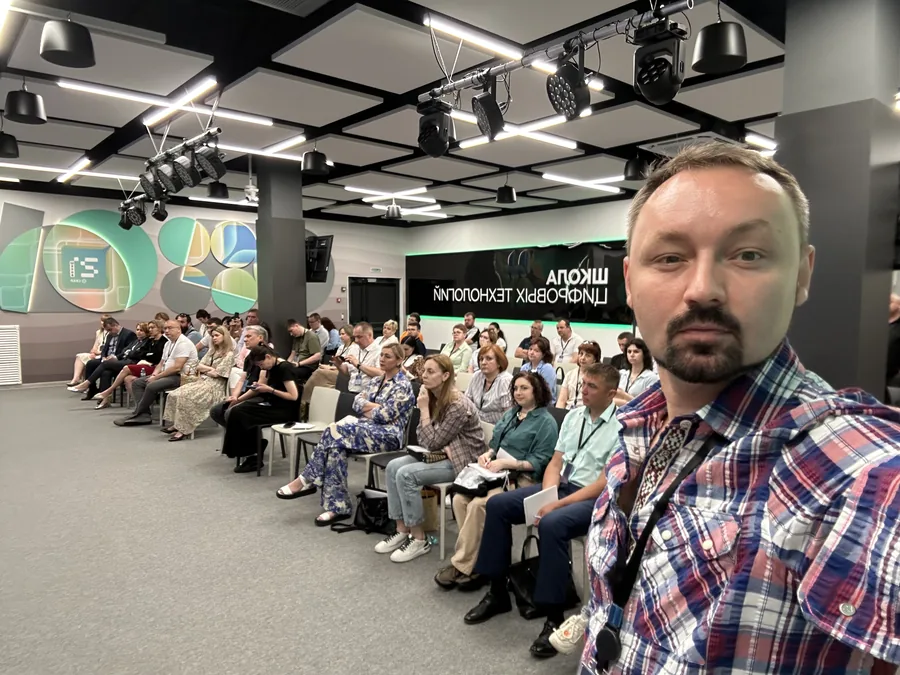
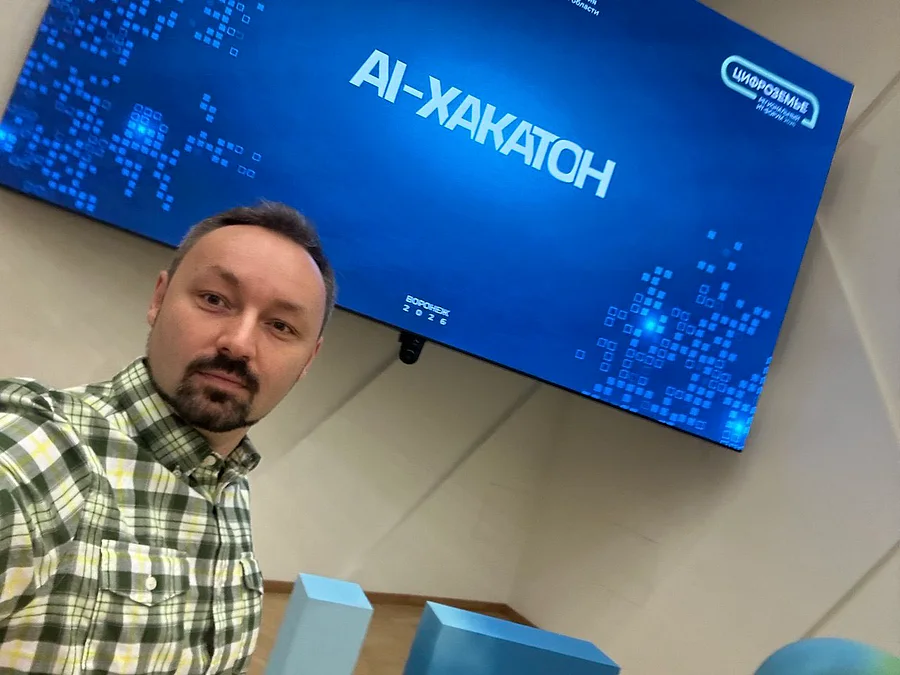
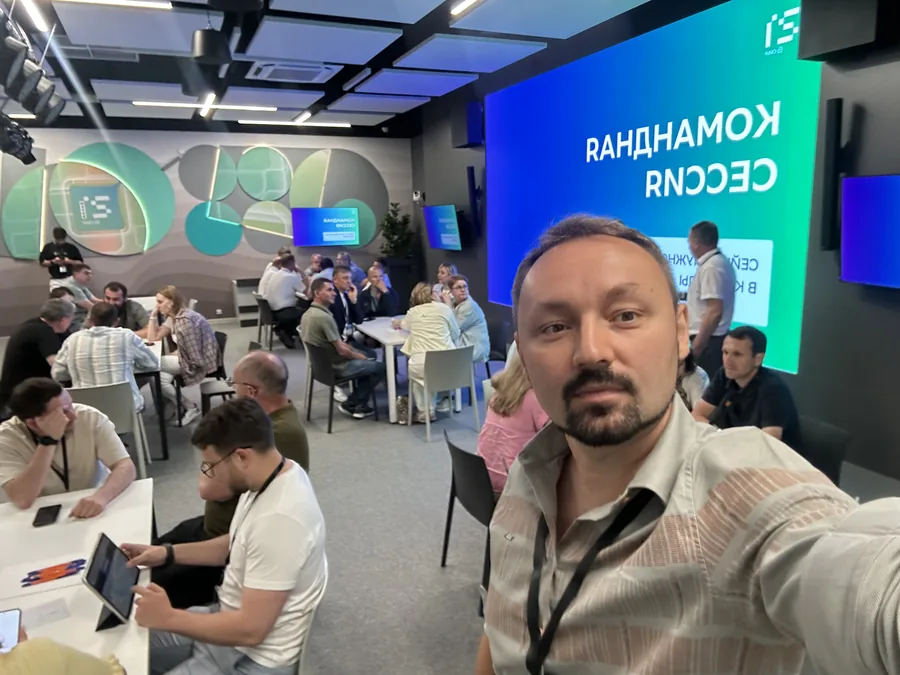
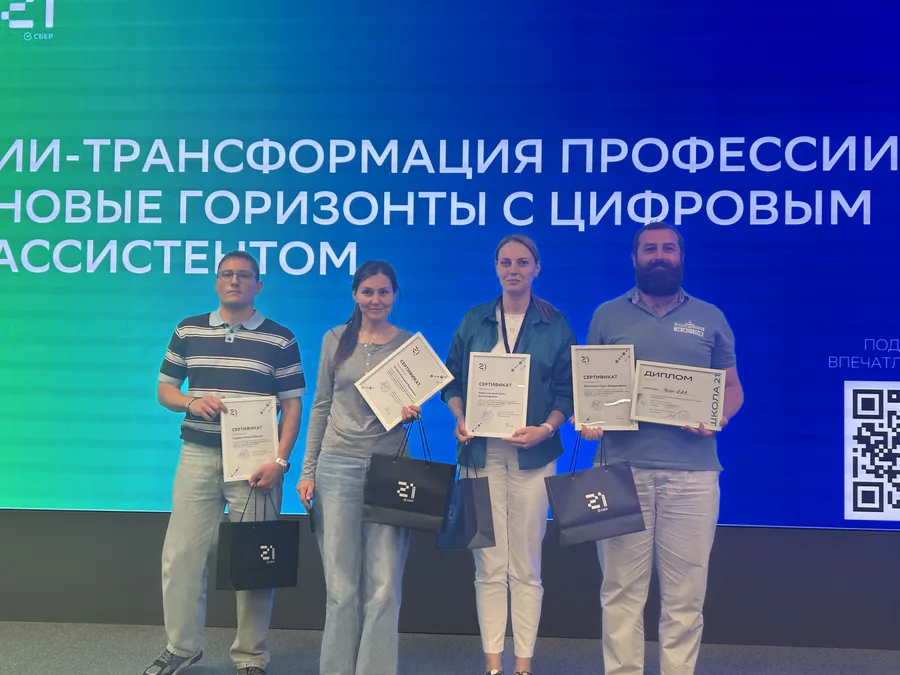
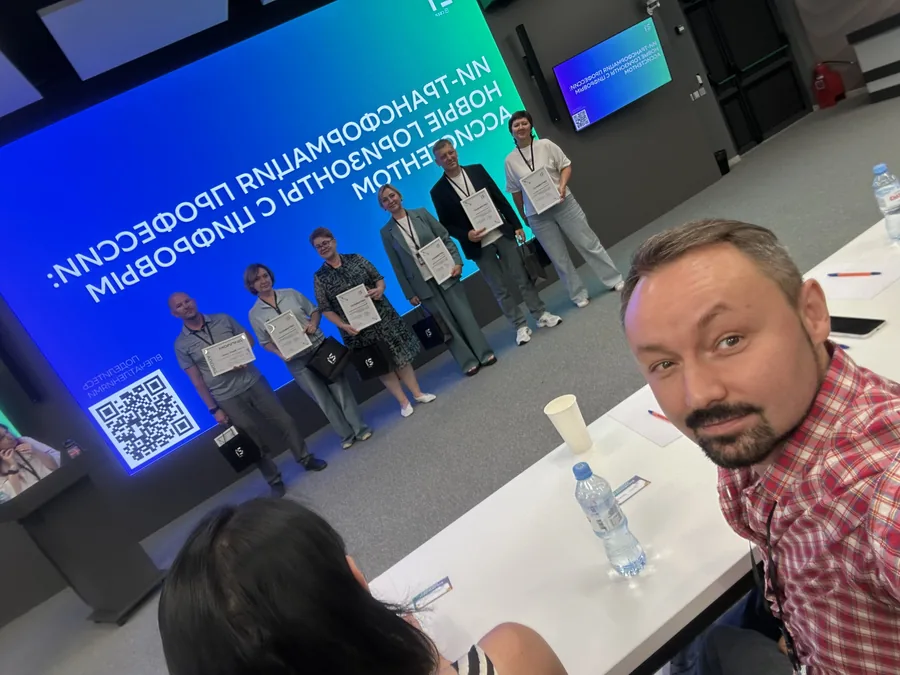
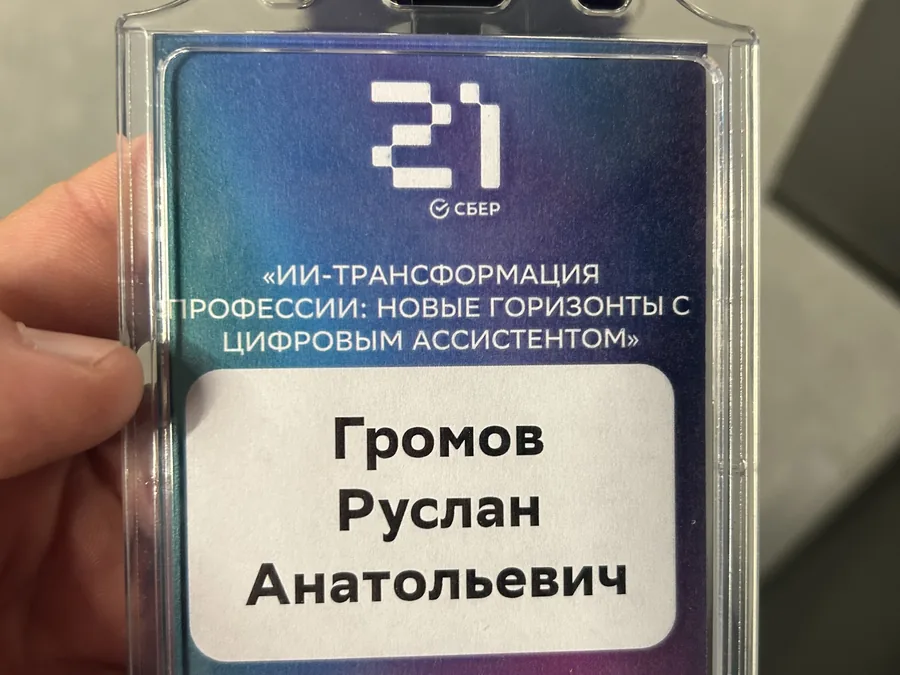
Work with business leaders, education projects and the public sector. The gallery shows teaching, team sessions, speaking and professional meetings — different types of participation, not a uniform list of training clients.

Applied solutions
Example scenarios for AI solution design, not completed client projects. The system scope and expected impact must be validated using the company's own data.
Legal · procurement
Compares terms against internal policies, highlights discrepancies and builds a requirements matrix with references to source documents.
Extraction completeness, citation accuracy and missed risks. The final decision remains with the domain specialist.
Operations · sales · finance
Brings together order, payment and obligation data, explains discrepancies and prepares the next workflow step.
Data and action correctness, user permissions and repeated calls. Changes follow defined rules and approval procedures.
Development · IT
Analyzes a task and repository context, proposes changes, generates tests and prepares review materials.
Passing tests, access restrictions and reproducibility. The team controls code merges and releases.
Every step serves a business goal. Data, actions and outputs follow agreed rules.
The goal, enterprise knowledge and user context.
Documents · 1C · CRM · APIsOrchestration selects the next step and preserves task state.
A source-grounded answer or an action permitted by workflow rules.
Validation · approval · executionShared control layer
Working process
First, we agree on the desired outcome and constraints. Then we test the hypothesis, document decisions and prepare the system for real-world use.
Processes, users, data sources, risks, IT and security constraints. Identifying where AI adds value and where conventional automation is sufficient.
Deliverable: project boundaries and success criteria.
Components, integrations, deployment options, model selection and resource estimates. Trade-offs between quality, speed and cost.
Deliverable: C4 / HLD diagrams, key architecture decision records and an implementation plan.
A proof of concept using representative data, failure scenarios, output evaluation and agent behavior testing. Evidence determines the next step.
Deliverable: a prototype, evaluation report and updated risk assessment.
Low-level design, team support, integration acceptance, monitoring, limits and recovery planning. Knowledge transfer to the people responsible for operations.
Deliverable: an agreed launch plan and operating procedures.
Not every problem needs multiple agents, a custom model or Kubernetes. An architecture should explain which problem each component solves and what it costs to maintain.
Professional experience
I combine hands-on AI architecture with experience in adult learning. My career spans software development, team leadership, data engineering and solution architecture. I have worked with neural networks and machine learning for over seven years; my current focus is language models, AI agents and process automation.
That background helps me explain not just what a tool can do, but what makes it useful: data quality, process constraints and evaluation criteria. In a workshop, we distinguish an impressive demonstration from a solution worth developing.
For over ten years, I have taught internal and external teams. I work with owners, managers and specialists with different technical backgrounds, turning a broad ambition to “use AI” into a specific task, a learning activity and a reasoned next step.
Applications, data, integrations and processes as a connected system, rather than a collection of isolated tools.
Program design, practical work, feedback and assessment criteria for adult learners.
Specialisation: mathematician and systems programmer.
I break a task down into inputs, actions and expected outputs. Participants learn to specify requirements for an AI agent, test individual steps and understand why a convincing answer does not necessarily mean a tool works correctly.
Technical leadership and knowledge sharing inform how I organise group practice. Participants discuss requirements, distribute roles and explain decisions to colleagues; I help identify difficulties and provide feedback as they work.
I show how input quality affects conclusions. Using practice datasets, we examine missing values, duplicates, inconsistent metrics and calculation checks. This helps managers work critically with analytics instead of trusting a polished chart.
I consider applications alongside data, integrations and business processes. In teaching, this helps distinguish a prototype from a production solution: define conditions of use, access requirements and questions to resolve with IT and information security.
I turn experience with neural networks, language models and AI agents into accessible learning scenarios. I explain when knowledge-base search, RAG or multi-step automation is useful, and when a simple tool with human verification is sufficient.
Engagement options
A focused expert review, a new solution design or ongoing team support. We agree on scope and deliverables for each stage before starting.
A review of the business problem, current prototype or architecture. Deliverables include constraints, risks, alternatives and a prioritized action plan.
A technical concept, validation of key assumptions, architecture documentation and acceptance criteria for the implementation team.
Design reviews, technical risk management, integration planning and production readiness alongside the client's IT team.
Architecture and engineering guidance using the team's own tasks. Knowledge transfer on RAG, agents, quality evaluation and controlled implementation.
Fees and timelines are determined after an initial review, based on data readiness, integration availability, security requirements and the scope of responsibility.
Get in touch
Tell me which process you want to improve, which systems you already use and where the project stands. We will start with your goal, constraints and success criteria.